How to Choose the Right Hose Length for Your Yard
Buying a garden hose sounds simple until you are in the aisle staring at 50, 75, and 100 feet. Too short and you stretch, tug, and come up short. Too long and you drag extra weight, invite kinks, and ask the reel to hold more than it should.
Best for: Homeowners who will walk the real watering path once before they buy.
Not for: Picking the longest hose on the shelf and hoping pressure still feels strong at the far end.
Retailer prices change. Use the check-current-price link rather than any dollar figure on this page.
Step one: measure the distance
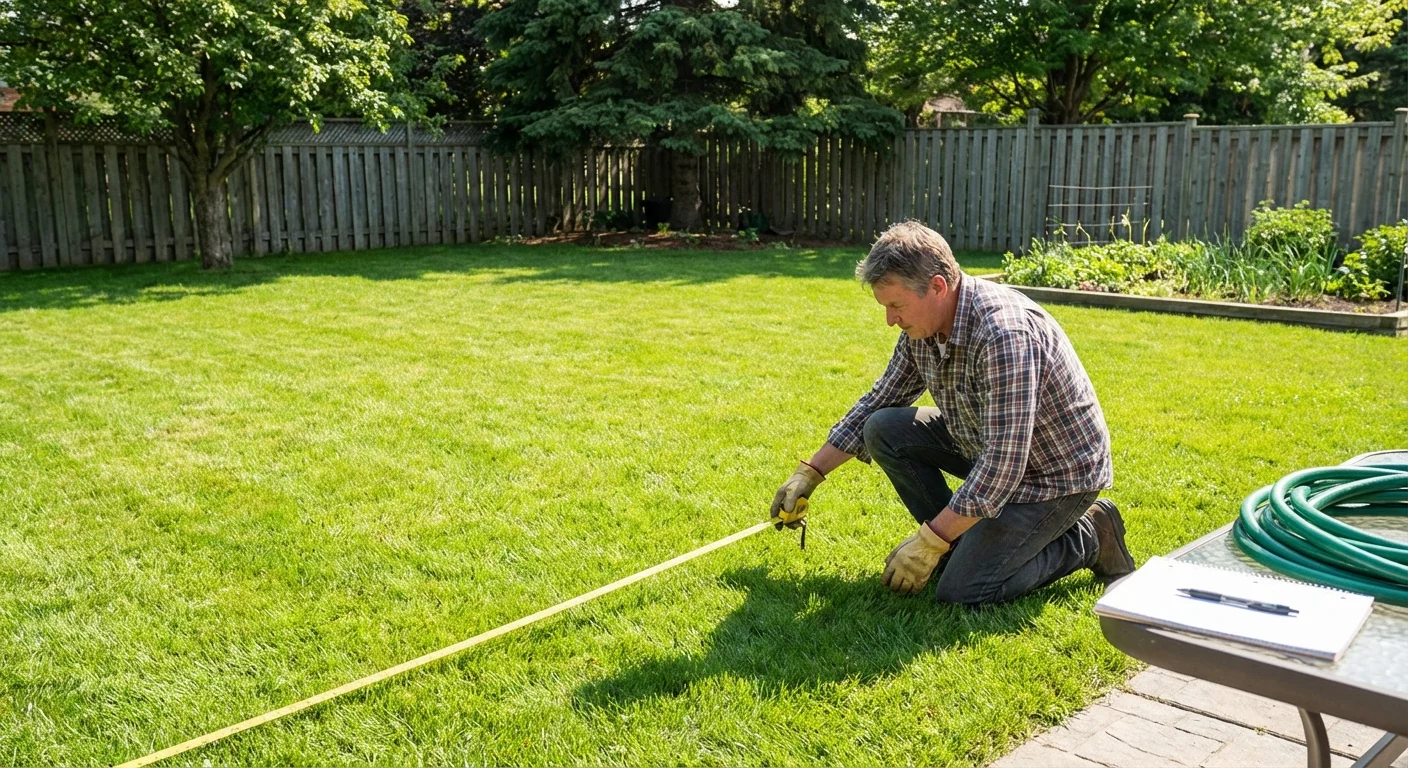
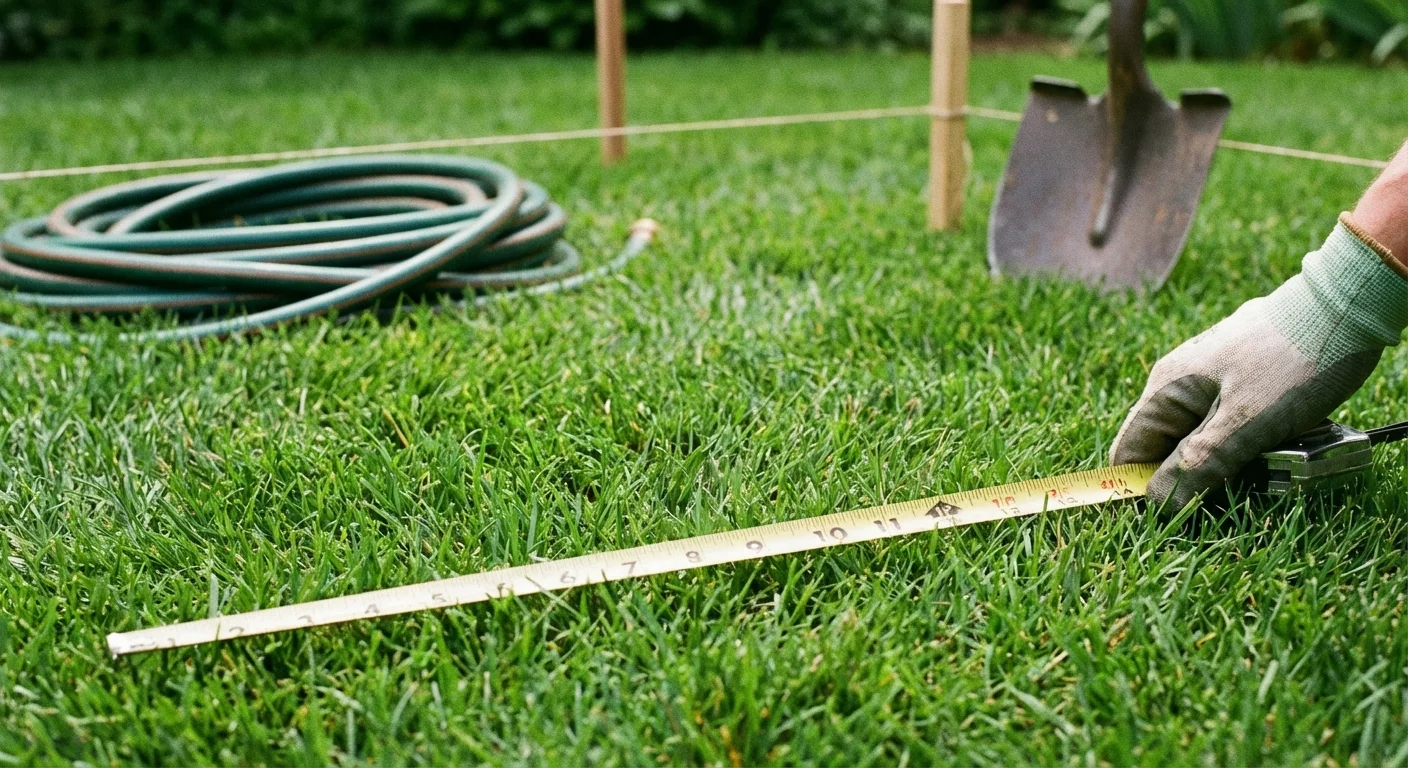
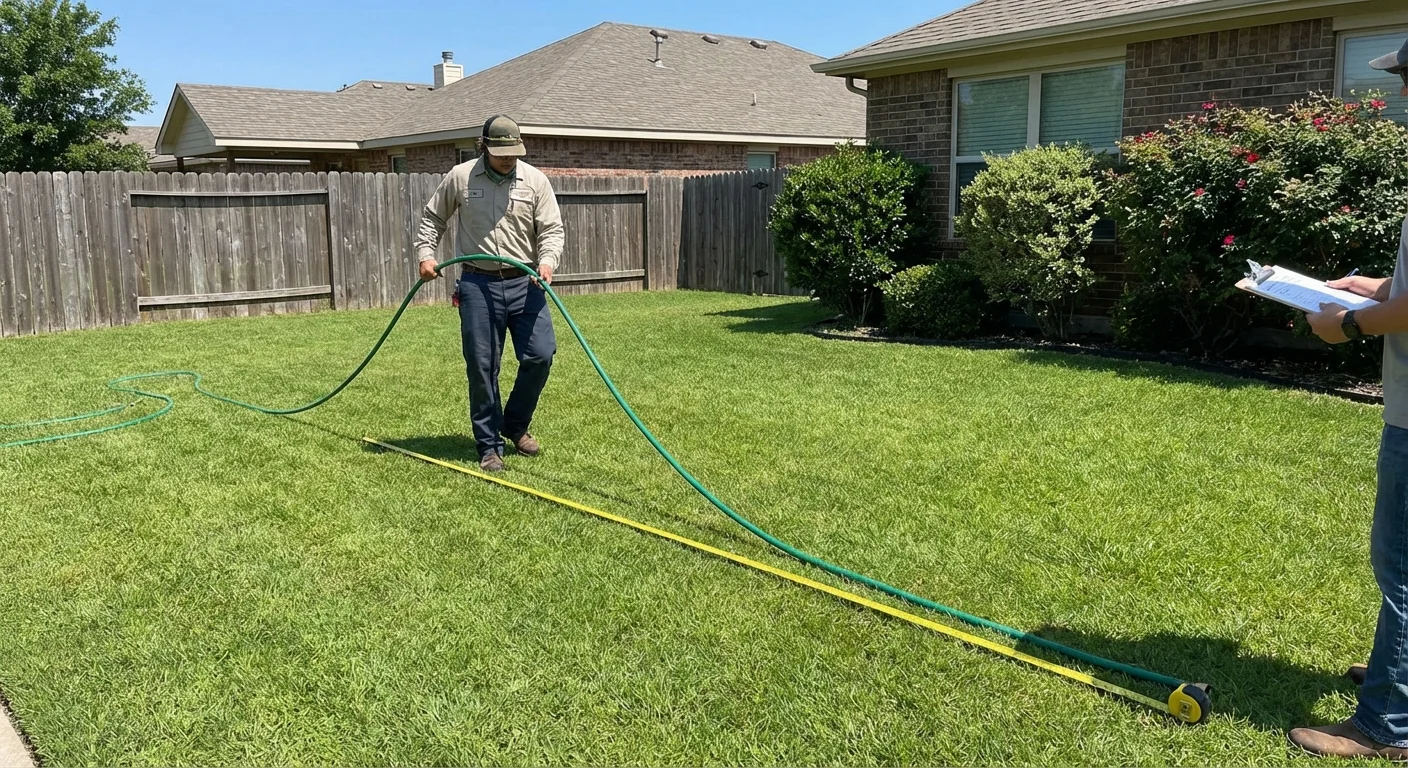
Start at the outdoor faucet — or at the planned reel mount if the reel will not sit on the spigot itself. Walk the path the hose will actually take to the farthest point you water. Use a tape measure, or pace it (one big step is roughly three feet).
That distance is your minimum. If the far bed is about 65 feet away along the real path, a 75-foot hose is the usual next step. Round up to a common length: 25, 50, 75, or 100 feet.
Step two: count obstacles
Yards are rarely a clean straight line. Fences, beds, patios, and sheds add route length. If you know you will weave, add a little slack — often about 5–10 feet — so the hose is not stretched taut. A hose under constant tension kinks more, leaks more at fittings, and can tug a light reel off balance.
Step three: match the reel
Check the reel’s maximum capacity before you buy hose. A small wall-mounted unit may be happiest at 50–75 feet; a heavy cart class can hold much longer hose. Do not overload. Extra hose packed past the design length jams, tangles, and strains retractable rewind. Choose a length that sits comfortably inside the maker’s capacity — or step up the reel class. Cart alternative: garden hose reel cart.
Step four: think about weight
Longer hose is heavier once it is full of water. That makes dragging and rewind harder. If your garden does not need the reach, stay shorter. For many small yards, 50 feet is enough.
Step five: leave a little room to grow
If you plan raised beds, a greenhouse, or a wider lawn edge, a modest extra length now can delay a second purchase. Balance that against weight, storage, and how the nozzle will feel at the far end (see flow note below).
Recommended hose lengths by yard size
These are starting points — measure still wins:
- Small patio / courtyard / townhouse: 25 feet is often enough.
- Typical suburban backyard: 50 feet is a common sweet spot.
- Larger yards with front and back lawns: 75 feet is a frequent next step when one mount serves a wide arc.
- Wide gardens / long runs: 100 feet or a second zone setup — only after you measure from the mount you will use.
Front-and-back is not automatic at any length. If the house splits the arcs, see mount coverage notes in how to install a retractable hose reel or consider a second mount / cart.
Length, diameter, and flow
Length is not only about reach. Water loses push to friction inside the hose as the run gets longer. Narrower diameter classes add more of that drag over the same distance than wider common garden-hose diameters. That is qualitative homeowner physics — not a lab PSI chart and not a product test score on this page.
Practical takeaways:
- Prefer the shortest length that covers the real path with light slack.
- On a long run, diameter class matters as much as adding another 25 feet of thin hose.
- If spray is weak and fittings are dry, work kinks, valves/splitters, and debris before you blame length alone — how to fix a leaky hose reel covers that three-way fork (leak vs low-flow vs won’t-retract).
FAQ
How do I measure the hose length I need?
Start at the outdoor faucet or at the planned reel mount. Walk the real path the hose will take to the farthest watering point — around beds, corners, and obstacles — then round up to the next common length (25, 50, 75, or 100 feet). Straight-line tape alone often undercounts.
Does a longer hose reduce water pressure at the nozzle?
Qualitatively yes. Friction inside the hose increases with run length, so a longer hose can feel weaker at the nozzle even when the spigot is fine. Buy the shortest length that covers your real path with a little slack — not the longest reel on the shelf by default.
How does hose diameter affect flow on a long run?
Narrower hose adds more friction loss over the same distance than a wider garden-hose diameter class. A short run to a nearby bed tolerates a smaller diameter; a long run across a large yard usually feels better with a wider common diameter matched to that distance. This page does not invent PSI lab numbers — treat diameter choice as a practical match to length and task.
Should I buy a longer hose or a larger diameter for weak spray?
If reach is already enough, stretching a longer thin hose often makes spray feel worse. Confirm kinks, valves, and debris first — see how to fix a leaky hose reel for the low-flow checklist — then consider whether diameter is undersized for the run you already have. Do not stack length you do not need.
What if my reel capacity is smaller than the hose I want?
Do not overload the reel. Overfilling packs the drum, jams rewind, and strains retractable springs. Choose a hose length inside the reel maker’s capacity, step up to a larger reel class, or use a garden hose reel cart sized for that length.
Is a 100 ft hose always enough for front and back?
Only if 100 feet covers the measured path from the mount or spigot you will actually use. Yard size alone is not a guarantee — corners and obstacles consume length. Measure first; round up when you are close. Longer listed retractable shopping context: best 100 ft retractable hose reel.
Related reading
- How to Fix a Leaky Hose Reel
- How to Winterize a Hose Reel
- How to Install a Retractable Hose Reel
- How to Install a Wall-Mounted Hose Reel
- Best Retractable Hose Reel
- Best 100 ft Retractable Hose Reel
- Garden Hose Reel Cart
- Buyers Guide
- Disclosure
Final thoughts
Measure once, round up one size if you are close, and stop there. The right length reaches the far bed with light slack, fits the reel, and does not ask a thin hose to do a long-run job it will feel weak doing.
Still shopping retractable types? Start with best retractable hose reel. Weak spray, drips, or a stuck rewind? Use how to fix a leaky hose reel. Before hard freeze: how to winterize a hose reel.
Source: University of Missouri Extension garden irrigation resources — Missouri Extension Master Gardener program